In many industrial settings, fire suppression is a large component of safety infrastructure. These systems are favoured for their ability to extinguish all types of fires. In this blog post, we’ll discuss what a fire suppression system is, how it works, and different types of suppression methods.
What is a Fire Suppression System?
A fire suppression system is an infrastructural system installed in large buildings to prevent loss due to fire. The system is an engineering group of extinguishing units which include sensors at regular intervals. If the sensors detect smoke and heat, the suppression system releases an extinguishing substance to prevent the spread of fire.
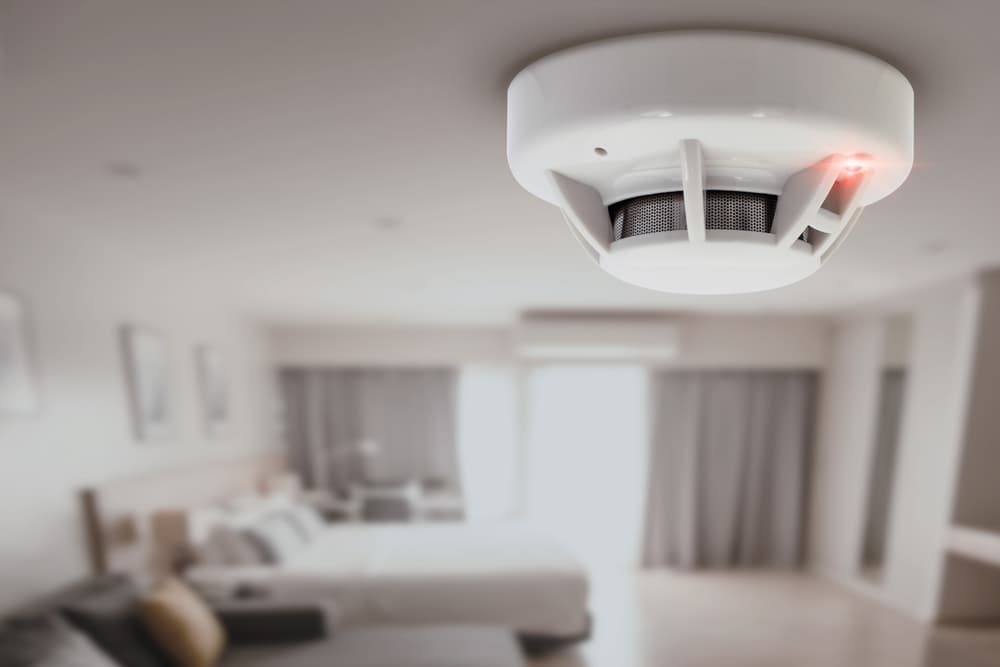
They are usually installed on ceilings, similar to sprinkler systems, but fire suppression systems can use agents other than water. This means they are effective against oil or gas fires, electrical fires and chemical fires. Industrial settings are more likely to install fire suppression systems than sprinkler systems because the range of potential fires is more varied.
How Does a Fire Suppression System Work?
Sensors installed at regular intervals throughout the facility detect fires early. They are configured to detect flames and smoke, initiating an alarm and triggering the release of suppression agents to extinguish the fire. The alarm signals to occupants that they should evacuate the building.
Extinguishing any fire involves removing one or more of the three necessary components of fire: heat, fuel and oxygen. Water systems remove heat, gaseous systems use compressed gas to displace oxygen, and chemical agents can be engineered to do both. Wet chemical systems can also react with certain fuel types to create a barrier between the fuel and the fire, such as in commercial kitchens.
Why Are Fire Suppression Systems Important?
These systems are extremely important to protect personnel and assets such as stock, records, materials and machinery. Because they are automatic, fires are extinguished even if nobody is present to notice them. By being proactive and fast-acting, these systems extinguish fires before they become too hot to extinguish easily, protecting machinery and assets in any situation.
When is a Fire Suppression System Required?
Automatic fire suppression systems are not legally required in the UK, but they may be necessary in environments where a standard fire extinguisher would be inadequate.
Insurers may require you to install a fire suppression system before they will insure your business. You may also need one to satisfy the fire service requirements in your area.
They are highly recommended for locations with large volumes of electrical equipment, stored flammable substances or high-value goods.
Differences Between a Fire Sprinkler and a Fire Suppression System
Sprinkler systems are a minor type of fire suppression system, but they are generally not automatically activated. Sprinklers use mains water distributed from ceiling-level spouts to extinguish fires. This can cause damage to the flooring, stock and equipment.
Fire suppression systems often use so-called “clean agents” or suppression agents that leave no residue behind and do not conduct electricity. They are automatic, meaning they’ll activate by sensor, even if there is nobody present.
Different Types of Fire Suppression Systems
Beyond understanding what a fire suppression system is, the different types of suppression agents are important. The wrong type could lead to damage to health and property, or even further spread of fire.
Water-Based Systems
– Water-based systems are popular because they use a readily available agent that is not toxic to people or the environment.
– Fire sprinkler systems dispense liquid water to extinguish fires. These are among the most popular systems and work well in the majority of situations.
– Water mist systems are less damaging to the internal furnishings, as they release less water than sprinklers, but still cool and block radiant heat.
– For electrical fires or kitchen fat fires, water is an inappropriate method of extinguishing, as it conducts electricity and causes burning fat to spread, potentially causing further fires.
Gas-Based Systems
– Gas agents for fire suppression displace the oxygen in the room, removing a key part of combustion and extinguishing the fire.
– Clean agent systems are systems which leave no residue and do not conduct electricity. This could be:
– Chemical agents: stored in cylinders as pressurised liquids, which rapidly change into gases when released.
– Inert gas systems: using common, non-reactive, non-toxic gases such as carbon dioxide (CO2) stored in cylinders as pressurised gas. When gas is released into the air, the fire cannot reach oxygen and combustion stops. There is also some cooling due to the rapid depressurisation of the gas.
Some systems also use Novec 1230, a synthetic clean agent which rapidly removes heat, rather than displacing oxygen, interrupting the combustion process and extinguishing fires fully in under 40 seconds.
Chemical-Based Systems
– Dry chemical systems work very rapidly by releasing a dry, non-combustible powder such as sodium bicarbonate (NaHCO3), ammonium phosphate ((NH4)3PO4) or potassium bicarbonate (KHCO3). These chemicals quickly smother the flames and prevent reignition, but they require significant cleaning up afterwards. They are ideal for fires involving gas or liquid fuel, electrical equipment under 1000V or lithium battery fires in well-ventilated spaces.
– Wet chemical systems are often used in kitchens to suppress oil fires. The water-based chemical agent is non-toxic and prevents re-ignition, so it is safe to use where gas burners are present. The wet chemical agent reacts with the hot oil, forming a soapy layer over the surface. This cools the flames and smothers the fire, removing oxygen.
Foam Systems
– Foam deluge systems release a high volume of water-based foam to cool and smother the flames and trap any vapours, which may also be flammable. We recommend foam-based fire suppression for chemical plants and fuel storage facilities as they are highly effective at controlling fires involving flammable liquids such as petrol, diesel and paint.
Industries Which Commonly Use Fire Suppression Systems
Factories and Industrial Sites
Industrial settings and manufacturing sites contain high volumes of raw materials, which are highly flammable. In these sectors, fire suppression is a measure which protects the supply chain, as well as personnel and equipment. Industrial fire safety equipment often includes visual alarms to alert personnel in loud environments.
Warehouses
Warehouses use space economically to house as much stock as possible, often resulting in densely packed areas of flammable materials. A warehouse fire safety system would include fire suppression in critical storage areas or environments with high volumes of electrical equipment. Gas-based systems are excellent for warehousing as they do not flood stock with water.
Hospitals and Medical Practices
Medical centres must consider automatic fire suppression carefully, as quick evacuation is not always possible for many patients. Areas with heavy electrical use, such as imaging departments, should be fitted with clean agent systems, while flammable medical supplies should be suppressed using foam agents or another non-toxic agent. Hospital fire equipment must include extinguishers, detection, alarms and evacuation signage and lighting.
Restaurants
Kitchens are prone to fires, with hot oil and gas burners in proximity creating a significant hazard. Restaurant fire safety systems will include wet chemical suppression systems to safely extinguish oil and grease fires without contaminating all ingredients.
How Often Should a Fire Suppression System Be Maintained?
Regular servicing is key to the longevity of any system, and fire suppression systems are only as effective as their maintenance schedules. Routine inspections and servicing from a trained fire system technician guarantee that all components are ready to perform when they’re needed, from sensors and alarms to agent distribution nozzles. Keep your fire suppression systems compliant with regulations by sticking to a robust maintenance schedule.
Can a Fire Suppression System Be Integrated with an Existing Fire Alarm System?
For every system we install, we carefully design components with the facility’s needs and current provisions in mind. In most cases, we can wire the sensors in fire suppression systems to trigger existing fire alarms, saving customers from investing in components they already have. Sometimes updates are required for regulatory compliance or system compatibility. We’ll work with you to make sure this is as cost-effective as possible.
Choose Fire Safe Services Ltd for Fire Suppression Systems
Partnering with Fire Safe Services Ltd is a choice to work with leading experts in industrial fire safety. All our technicians are committed to the highest standards of fire safety. Our design teams innovate by engaging with new research on sensor technology and suppression agents. This way, our clients can access best practices and safer fire suppression. Get in touch with us today by filling in our contact form, emailing us, or calling 01527 570952